Data Engineering in the Age of AI
Data engineering has always been the backbone of digital transformation. From building robust pipelines to powering BI dashboards, data teams have enabled smarter decisions for over a decade. But as we enter the AI-native era, the role of data engineering is evolving rapidly.
Today, the question isn’t just “How do we get clean data into dashboards?” but rather:
“How do we make our data infrastructure ready for AI agents and intelligent automation?”
This marks the next evolution — where data systems don’t just serve humans, but also serve machines that think, query, and act on data autonomously.
The Shift: From Pipelines to Intelligent Data Products
Traditional data engineering focused on:
- Extracting and transforming data from various sources
- Loading it into warehouses or dashboards
- Supporting business analysts and report consumers
But now, progressive data teams are designing data as a product, with:
- Self-service accessibility
- Business-context-rich layers
- AI-ready architecture that can be consumed by bots, agents, and ML pipelines
The Rise of AI Agents in the Data Stack
AI Agents are autonomous systems powered by LLMs (like GPT, Claude, or open-source models) that:
- Interpret business queries in natural language
- Execute SQL queries behind the scenes
- Summarize trends or anomalies
- Trigger workflows or decision support in real-time
And to work effectively, they need access to:
- Clean, well-modeled data
- Semantic layers that map data to business logic
- High-performance, low-latency query engines
This is where Dremio MCP (Managed Cloud Platform) shines.
Why Semantic Layers Are the Key to AI-Driven Architecture
In the AI-agent world, your data is only as useful as it is understandable.
Semantic layers:
- Translate complex data tables into business-friendly terms like “Revenue by Region”
- Let agents query without knowing column names or table joins
- Enforce governance while enabling self-service access
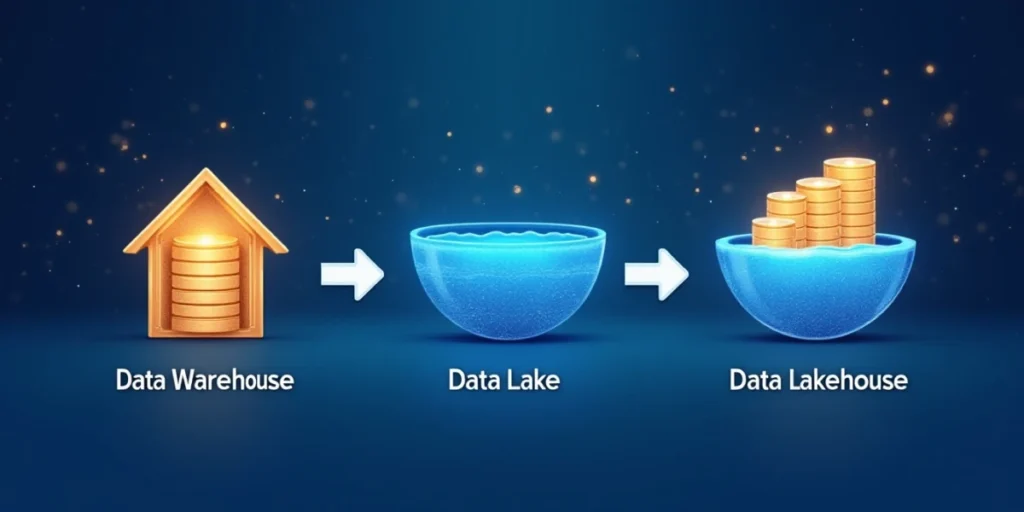
Dremio’s semantic layer within its lakehouse model ensures that AI agents can query with context and deliver trustworthy insights, all without replicating or moving the data.
Designing the AI-Ready Data Infrastructure: What to Focus On
To support AI agents, data teams should prioritize:
- Unified, Real-Time Data Access:
Use a lakehouse model that eliminates silos and supports real-time and historical data together. - Metadata & Documentation:
Agents rely on metadata to understand what each field means. Invest in rich cataloging. - Semantic Modeling:
Create reusable, business-friendly views of your datasets. This bridges the gap between raw data and business value. - Governance & Access Control:
Make sure your agents respect permissions. Row- and column-level security is a must.
- Performance & Scalability:
AI agents expect sub-second query response. Use platforms like Dremio MCP to handle high concurrency and low-latency needs.
Example: An AI Agent at Work
Imagine a Customer Success AI Agent designed to reduce churn. It can:
- Ask: “Which customers are most likely to churn next month?”
- Query Dremio’s semantic layer for transaction history, support tickets, and satisfaction scores
- Run a predictive model
- Trigger an alert to the customer team
- Summarize insights in natural language and send a Slack message
All of this happens without a human writing a single line of SQL.
What Forward-Thinking Data Teams Should Do Now
If you’re a data leader or engineer building for the future:
- Reimagine your role from pipeline builder to platform enabler
- Design for machine + human consumption
- Collaborate with AI, product, and business teams
- Modernize to lakehouse and semantic-first architecture
Final Thoughts
The future of data engineering isn’t just faster pipelines or prettier dashboards. It’s intelligent data platforms that work hand-in-hand with AI agents — automating insights, personalizing decisions, and accelerating business outcomes.
At DnT Infotech, we help organizations build and modernize data platforms that are AI-ready, cloud-native, and designed for real-time impact.
Let’s Talk
Ready to prepare your data stack for the AI-powered future?
Reach out to our data engineering team at DnT Infotech — and let’s build intelligent, self-operating data systems together.