In today’s interconnected, fast-paced digital economy, delivering software quickly, reliably, and collaboratively is not a competitive advantage—it’s a necessity. Especially when working with international clients and distributed teams, the ability to stay aligned, transparent, and adaptable is key to product success.
This is where the Agile development process shines.
Agile isn’t just a software development methodology—it’s a mindset and operating model that enables continuous collaboration, faster releases, and real-time feedback loops between internal and external stakeholders. Whether you’re building an MVP or scaling an enterprise-grade platform, Agile ensures that progress is visible, feedback is actionable, and your product moves steadily toward production.
Let’s explore the importance of Agile in a global delivery environment, with a special focus on:
- Cadence of Agile ceremonies
- Internal and external stakeholder collaboration
- Live demos and feedback loops
- Progressive product movement to production
Agile: Built for Change and Collaboration
Agile is built around the idea of iterative delivery and collaboration. Instead of waiting for months to release a product, teams work in time-boxed sprints—typically 1 to 2 weeks—delivering incremental improvements regularly.
This enables:
- Faster time-to-market
- Real-time feedback incorporation
- Transparency across teams and geographies
- High adaptability to changing business needs
In global projects, especially with international clients, Agile ensures that everyone developers, business users, designers, and leadership stays on the same page regardless of time zones.
The Power of Cadence: Meetings That Drive Momentum
Agile is powered by a predictable cadence of ceremonies that structure collaboration and keep teams in sync. When working with international clients, these meetings become even more essential to bridge gaps across geography and culture.
Common Agile Meeting Cadence:
- Daily Stand-Ups (15 mins)
- Quick sync on progress, blockers, and next steps
- Encourages daily alignment between internal teams
- Optionally include external stakeholders once a week
- Sprint Planning (1–2 hrs)
- Discuss and finalize upcoming sprint goals
- Align priorities with client’s business objectives
- Backlog Grooming (Weekly)
- Refine and estimate tasks for upcoming sprints
- Helps manage scope creep and stay focused
- Sprint Review / Live Demo (End of Sprint)
- Showcase working features to internal and external stakeholders
- Collect real-time feedback from clients and users
- Build trust with transparency
- Sprint Retrospective
- Reflect on what worked, what didn’t
- Drive continuous improvement in team collaboration and delivery
Key Tip: Align meeting times with client availability, preferably in overlapping time zones (e.g., early EST for Europe, late IST for US).
Internal + External Stakeholder Alignment
Agile is not just a developer’s job. To succeed, everyone involved in the product lifecycle must be engaged—from project managers and QA teams to clients, end users, and business owners.
Best Practices to Ensure Alignment:
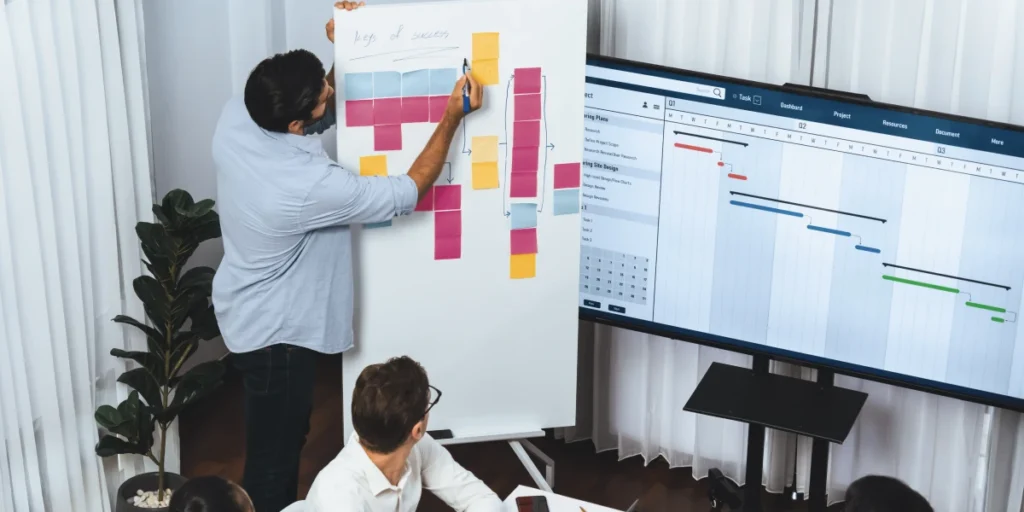
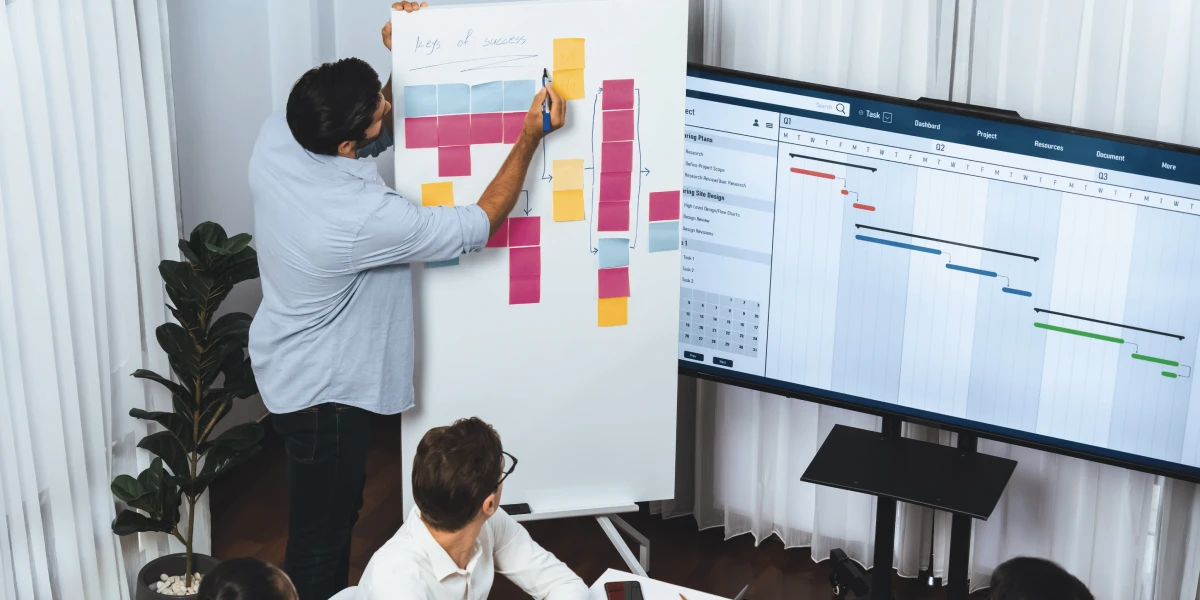
- Maintain a shared Agile board (Jira, Trello, Azure DevOps) visible to both sides
- Use real-time communication tools (Slack, MS Teams) for quick clarifications
- Share weekly status reports or dashboard snapshots
- Keep technical and business documentation updated in a common space
- Ensure business priorities and user expectations are understood by the development team
This cross-stakeholder engagement ensures that product features are not just built—but built right.
Live Demos: From Features to Function
Live demos during Sprint Reviews are one of the most powerful Agile practices. They transform conversations from abstract updates to real, working features that clients can see, touch, and test.
Why Live Demos Are Crucial:
- Clients see tangible progress
- Immediate validation of use cases
- Faster decision-making and prioritization
- Builds transparency and client confidence
- Reduces risk of miscommunication or rework
Demo-driven development keeps the product grounded in reality and business value.
Progressive Movement to Production
Agile allows for progressive delivery, meaning features can be rolled out in phases rather than waiting for a “big bang” launch.
Agile in Production Movement:
- Use Dev → QA → UAT → Staging → Prod environments
- Implement CI/CD pipelines for smooth, automated deployments
- Roll out in feature flags or canary releases
- Monitor releases using Application Performance Monitoring (APM) tools
- Collect usage feedback and user metrics post-release
This approach not only accelerates time-to-value but also reduces risk by catching issues early.
Conclusion: Agile is the Glue in Global Product Development
Agile isn’t just a project methodology—it’s how modern software products are built and delivered across continents. By following a strong cadence of meetings, engaging all stakeholders, demonstrating real progress, and deploying features iteratively, Agile helps businesses:
- Stay aligned across borders
- Reduce feedback cycles
- Deliver quality features faster
- Move to production with confidence
At DnT Infotech, we’ve embedded Agile deeply into our product engineering DNA. Whether we’re working with clients in the UK, USA, or Australia, our Agile model ensures clarity, collaboration, and continuous delivery.
If you’re building software for a global audience—build it the Agile way.